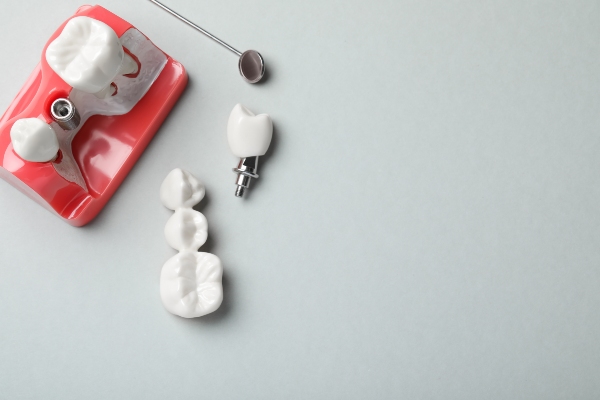
 Dental bridges and crowns are the two most popular smile restoration options, enhancing function and appearance. However, they vary in design, purpose, and care. Understanding how these solutions work and their differences can help patients make decisions during the restoration process.
What is a dental bridge?
A dental bridge is a custom-made restoration that fills the gap left by one or more missing teeth. It anchors artificial teeth, called pontics, to the natural teeth or dental implants on either side of the space. This setup creates a "bridge" that restores the appearance and functionality of the smile.
Dental bridges replace missing teeth and prevent surrounding teeth from shifting out of position. Misalignment and bite problems can develop without this support, leading to further complications. The process of getting a dental bridge involves reshaping the teeth adjacent to the gap to accommodate crowns that secure the bridge in place. Once the bridge is in place, it provides stability for chewing, speaking, and smiling with confidence. With proper care, including consistent oral hygiene and regular dental visits, a dental bridge can last many years, allowing patients to enjoy a restored smile and improved quality of life.
What is a dental crown?
A dental crown is a versatile restoration used to repair and protect a single weakened or damaged tooth. Often called a "cap," the crown fits snugly over the entire visible portion of the tooth, restoring its size, shape, and strength.
Crowns are a common option to address cracked, decayed, or root canal-treated teeth. They can also cover dental implants, creating a natural-looking replacement for a missing tooth. Crowns can consist of durable materials such as porcelain, ceramic, or metal alloys to blend seamlessly with natural teeth while withstanding the pressures of everyday use.
The process of getting a crown begins with reshaping the tooth to make room for the restoration. The dentist then takes an impression to create a crown that fits perfectly. Once placed, the crown strengthens the tooth and protects it from further damage while also restoring its appearance and function.
How do dental bridges and crowns compare?
The main difference between a bridge and a crown lies in their purpose. A crown restores a single tooth, while a bridge replaces one or more missing teeth by spanning the gap between healthy teeth or implants. A bridge requires the preparation of multiple teeth, as the neighboring teeth act as anchors for the restoration. On the other hand, crowns focus solely on reinforcing the strength and structure of the damaged tooth they cover.
While both solutions enhance appearance and functionality, bridges address the specific issue of tooth loss and the complications it can cause, such as shifting teeth or changes in bite alignment. The choice between a dental bridge and a crown depends on individual needs. A dental professional will evaluate factors like the number of missing teeth, the condition of surrounding teeth, and overall oral health to recommend the most suitable option.
Restore your smile at Blue Diamond Dental | Ghazal Hosseini DDS
Dental bridges and crowns offer transformative results that improve the ability to eat, speak, and smile with confidence. If you are ready to restore your smile, contact Blue Diamond Dental | Ghazal Hosseini DDS to schedule an appointment. We can curate a treatment plan to determine which option is most effective for you.
Request an appointment or call Blue Diamond Dental | Ghazal Hosseini DDS at 925-326-9889 for an appointment in our Concord office.
Related Posts
Losing a tooth can affect more than just your smile; it can also impact how you eat, speak, and maintain oral health. Dental bridges are a popular and effective solution for filling gaps left by missing teeth. By understanding the different types of dental bridges, you can work with a general dentist to find the…
A dental bridge is a reliable solution for replacing multiple missing teeth, restoring function and aesthetics, and preventing further oral health complications. Implant-supported dental bridges combine the stability of dental implants with the efficiency of traditional bridges, offering a long-lasting option for tooth replacement. Understanding the process behind implant-supported dental bridges can help patients feel…
Losing a tooth can affect more than the look of a smile — it can impact speaking, eating, and overall confidence. Fortunately, dental bridges can effectively replace what is missing in function and appearance. By learning the answers to frequently asked questions, patients can see why dental bridges remain a trusted option in modern dentistry.A…